

South Africa | A Common Problem

South Africa faces a problem that is common in many developing countries: there are little or no affordable generic drugs, which means that many South Africans do not have access to adequate treatments. This is primarily a result of patenting processes such as ever-greening – “making minor changes to medicines that are already on the market” – a way by which companies are able to maintain monopolies and the price of new medications.
In addition, the government allegedly grants patents almost indiscriminately, only checking that paperwork is in order and fees have been paid, but not examining applications closely to ensure that they follow the guidelines for innovation. Although less than 1% of global patent filings can be attributed to the African continent, South Africa accounts for almost two-thirds of those filings. Given these numbers, it’s logical to assume that the country has relatively high levels of R&D – however, this assumption is tentative at best, as the numbers and predictions reported vary greatly between sources.
South Africa | Why is it so Important?
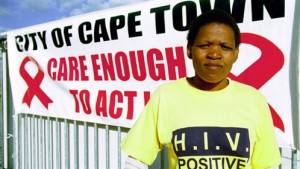
One issue that strongly supports the need for patent reform in South Africa is the country’s high incidence of HIV infection. In fact, South Africa is faced with one of the world’s most acute HIV and Tuberculosis epidemics. In 2013, UNAIDS estimated that 6.3 million South Africans, out of a population of 48 million, are living with HIV. The deaths resulting from AIDS that same year were 200,000, making the number of infected individuals in the country the highest worldwide. Meanwhile, only 13.7% of South Africans have access to health insurance. As a result, many individuals with HIV are unable to afford treatment.
A Call for Change
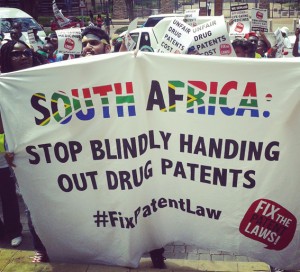 In order to address this situation, a campaign called ‘Fix the Patent Laws’ was launched in 2011. This campaign was jointly propagated by Doctors Without Borders and the Treatment Action Campaign, both advocates for increased access to health care for HIV infected individuals. They argue that stricter patent standards and reforms may push large pharmaceutical companies to withdraw their null patent applications, and force them to provide more affordable solutions.
Many bio-pharmaceutical companies are taking this into account and establishing programs to help make treatments more affordable. Some developing countries, such as India, have already taken things into their own hands and are producing affordable therapies within their own borders. There is a delicate balance that must be maintained between appropriate patent protection of innovative drugs and providing affordable medicine for under-served populations, especially in the developing world.
Learn more about our Legal Translation and our Patent Translation services!
About Language Connections:
Language Connections is one of the top language service companies in the US. Over the last 30 years, we’ve focused on providing the best business translation services, interpreting services, as well as interpreter training and customized language training programs. In addition to top-tier corporate language training, we offer certified corporate interpreters and professional business translation services in 200+ languages. Our network includes linguists with backgrounds in all major industries. They’re ready to meet your needs, whether they’re for technical translation services, legal translation, government translation services, international development translation services, education translation services, life sciences translation, or something else. Reach out to us today for a free quote on our cost-efficient and timely translation services, interpreters, or other linguistic services.

Language Connections Inc.
2001 Beacon Street, Suite 105,
Boston, MA 02135
Phone: +1-617-731-3510
Email: service@languageconnections.com