
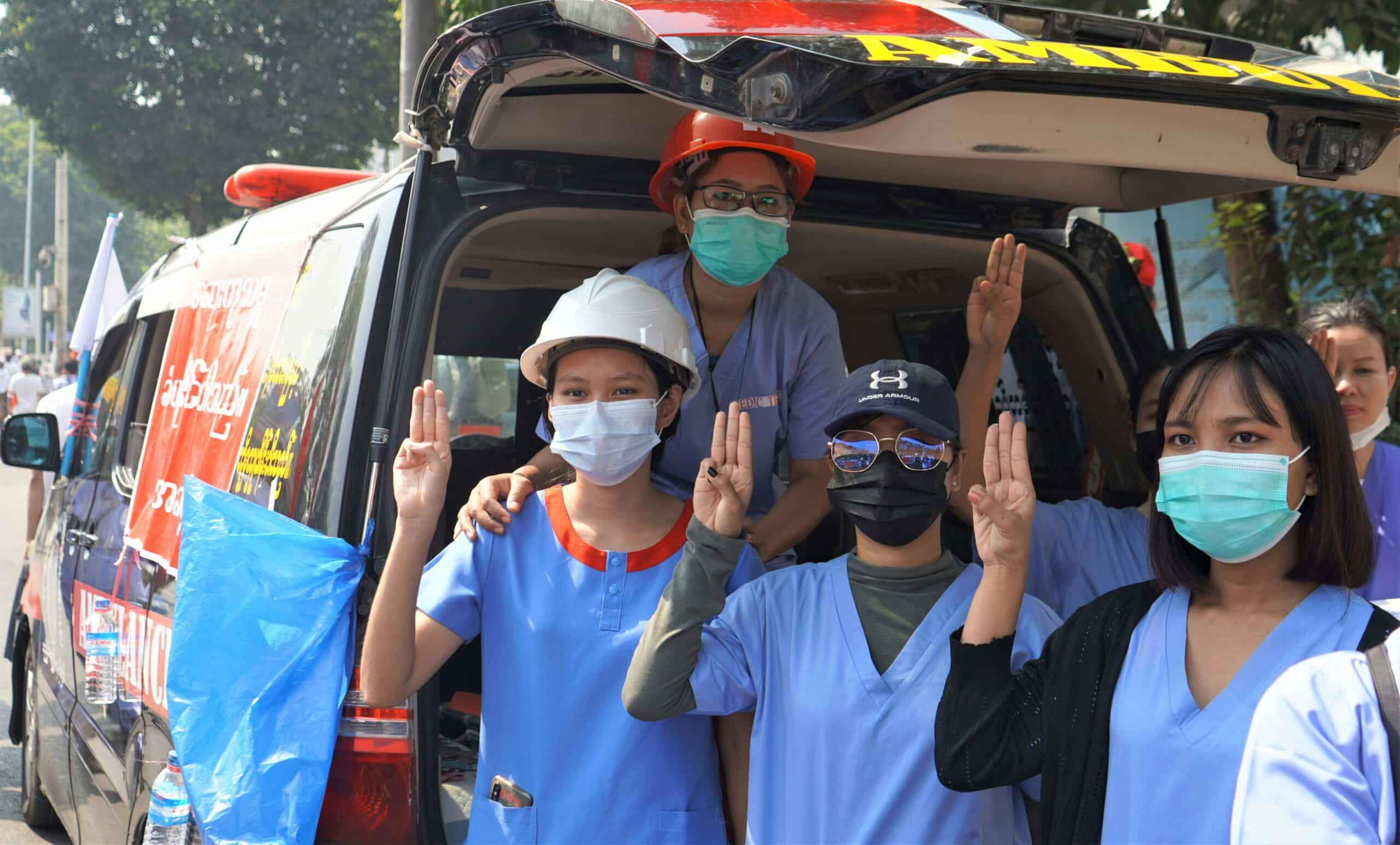
eLearning translation and localization play a critical role in the healthcare sector. From onboarding new staff to certifying professionals and training individuals to operate complex medical equipment, precision and clarity are essential. Accuracy is not optional when it comes to medical eLearning translation and localization. Fortunately, many hospitals, NGOs, and med-tech companies are actively seeking a reliable localization services company to ensure their training materials are both accurate and efficient.
eLearning Translation and Localization Prevents Misunderstandings
Misunderstood processes in healthcare can lead to serious consequences. Studies have shown that language barriers are responsible for nearly 49 percent of clinical communication failures in multicultural medical teams. Poorly translated learning modules can lead to incorrect drug dosages, improper use of equipment, or delayed emergency responses. Professional eLearning translation and localization help prevent these issues by ensuring that critical procedures—such as CPR or aseptic techniques—are clearly conveyed in the learner’s native language. The impact is measurable. Médecins Sans Frontières improved multilingual trauma response training in Southeast Asia and East Africa by localizing its eLearning content, reducing onboarding time by 30 percent without compromising quality.
Organizations working in healthcare can benefit from life sciences translation services that are tailored to meet the precision and compliance standards of the field.
eLearning Translation and Localization Ensures Consistency
Medical training often involves highly technical language, including drug names, treatment protocols, and device instructions. These terms cannot be left to generalist translators. Mistakes such as confusing “intubation” with “extubation” can be life-threatening. This is why professional eLearning translation services rely on industry glossaries, translation memory tools, and subject-matter experts to maintain consistency. Nearly 70 percent of medical content requiring localization involves technical elements such as measurements, equipment names, or patient data—areas where consistency is critical.
Companies in education and training also rely on eLearning translation services to keep terminology uniform across languages and formats.
eLearning Translation and Localization Enhances Safety
According to a Harvard Business Review study, learners are 75 percent more likely to retain information when it is presented in their native language. In healthcare, this translates to fewer errors and better on-the-job performance. Hospitals that implemented eLearning content translation reported higher training completion rates and a noticeable decline in safety incidents. For example, a major hospital group in the UAE saw a 22 percent drop in sanitation-related accidents during the first year after introducing professionally translated and localized infection control training. Effective eLearning translation ensures that staff not only complete their training but apply it with confidence where it matters most.
This approach applies equally to education translation services where accuracy and cultural relevance directly impact learner success.
Conclusion
In a field where accuracy is vital and mistakes carry high stakes, eLearning translation and localization are not optional—they are essential. From improving patient outcomes to supporting compliance, expert translation services empower healthcare organizations to train more effectively. Delivering information in the right language and context does more than build trust and save time—it helps save lives.

Language Connections Inc.
22 Goddard Circle
Brookline, MA 02445
Phone: +1-617-731-3510
Email: service@languageconnections.com